
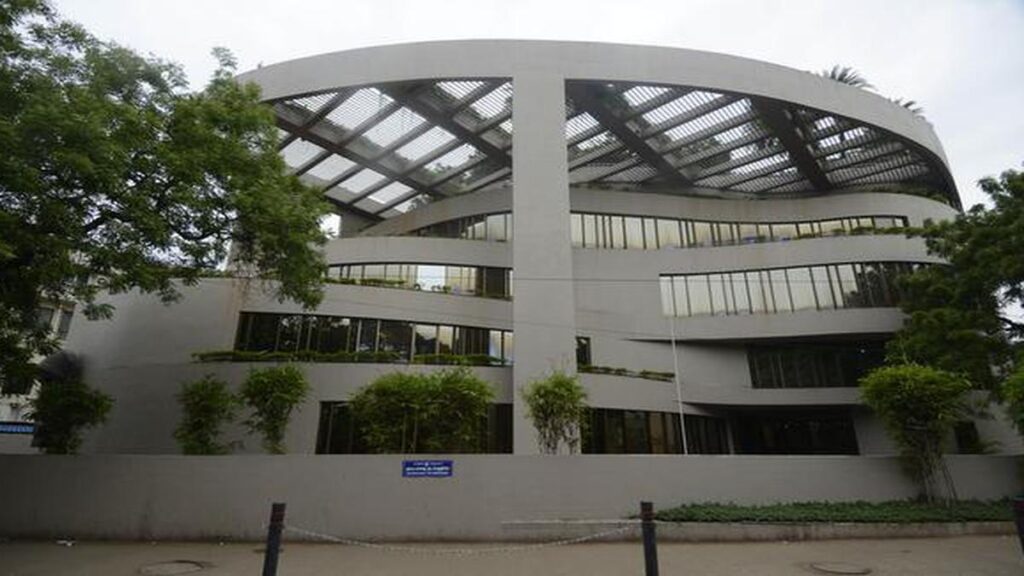
“Certainly, architecture is concerned with much more than just its physical attributes. It is a many- layered thing. Beneath and beyond the strata of function and structure, materials and texture, lie the deepest and most compulsive layers of all.”
-Charles Correa.
The post-Independence India was devoid of any distinctive architectural style as years of foreign rule had taken away all that traditionally belonged to this vast country, and only the copies of western buildings were being reproduced in the name of modern architecture. Then came a man, a visionary, who had deep-rooted traditional values along with a vision that went far beyond his contemporaries.
Born on 1 September, 1930 in Secunderabad, the twin city of Hyderabad, Charles Mark Correa was not just a great architect and an exceptional urban planner, but an activist who was celebrated for his sensitive outlook to the needs of the urban poor and planning his buildings based on age-old traditional concepts bringing them closer to the people.
Correa’s work was unique in the sense that there was always an established relationship between the spaces; the form of his buildings always created itself from a concept, mostly a traditional concept. He studied a lot to understand the practices and traditions followed by the people of different regions of India, and it was his mission to recreate those old values in the modern context, an endeavor that gave his architecture a different style, a different flavor.
Post-independence style of Indian architecture
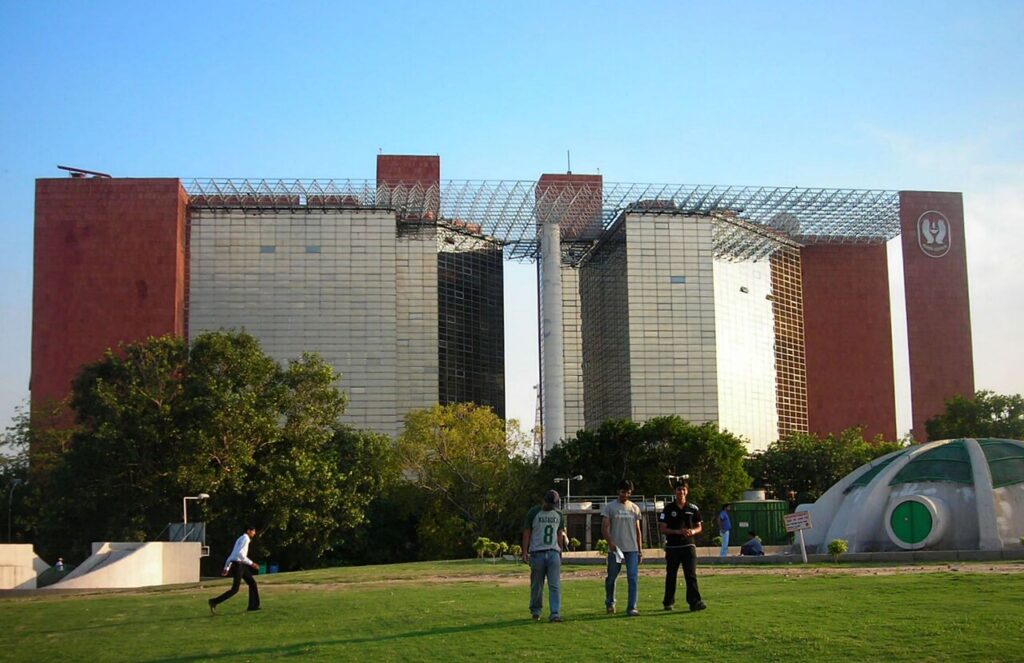
Born in an era when Indians only took pride in following what their foreign rulers did, Correa was a fearless designer who knew the value of Indian methods and practices, and understood the need to give these a modern makeover. He played a pivotal role in creating a new post-Independence style of Indian architecture through his innovative and inspiring designs. His genius was so evident the way he extended the courtyard planning of a traditional Indian abode as a concept to the community planning while involved in the design of New Bombay (Navi Mumbai). As a designer, he always placed special emphasis on prevailing resources, energy and climate as major determinants while creating and shaping the spaces.
A visionary
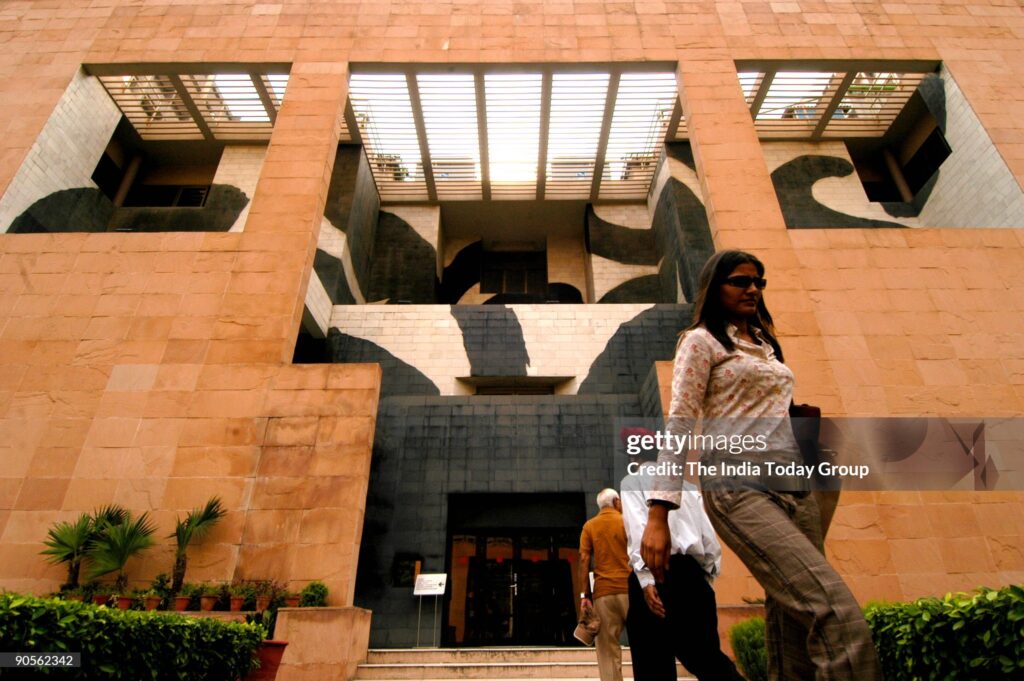
A visionary, Correa was trying to design green spaces much before the concept of green architecture even originated. That makes him a contemporary architect for the world in a true sense.
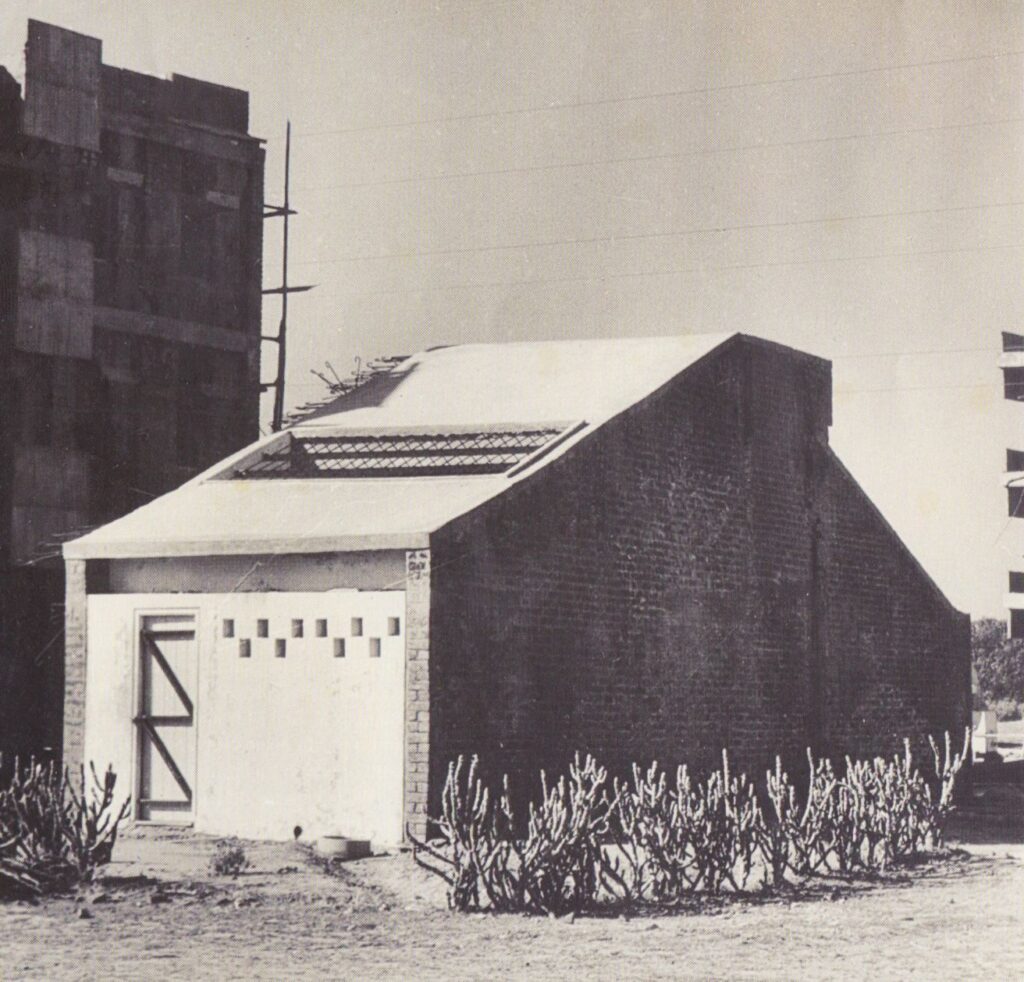
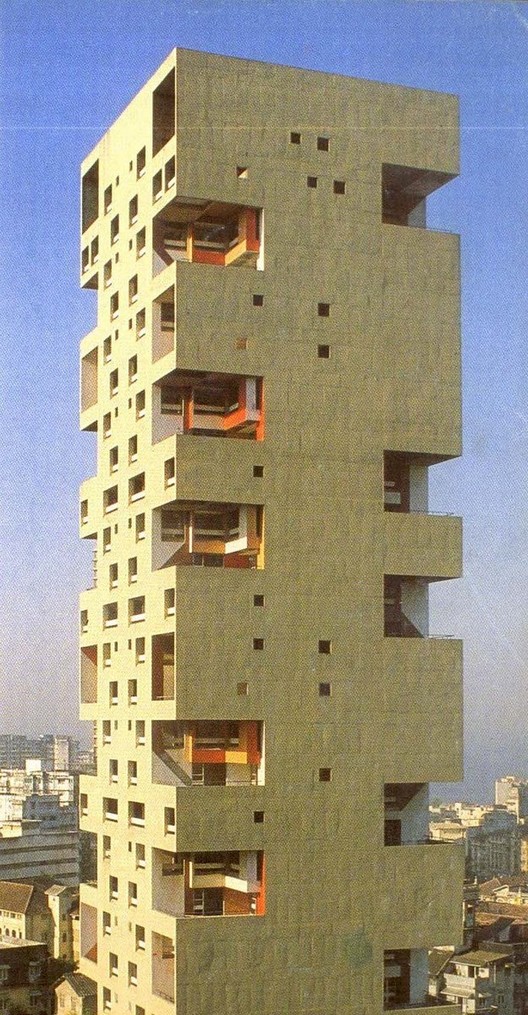
Charles Correa produced several remarkable buildings and wrote some breathtaking books in his long and illustrious career. The list is so long, it almost seems endless. Some of the buildings created by the master around the world are Champalimaud Centre for the Unknown, Lisbon; Mahatma Gandhi Memorial Museum at the Sabarmati Ashram, Ahmedabad; the Kanchanjunga Apartment Tower, Mumbai; the Parumala Church; the Jawahar Kala Kendra, Jaipur; Vidhan Bhawan building and Bharat Bhawan in Bhopal; MIT’s Brain and Cognitive Sciences Center, Cambridge, and of course the planning of Navi Mumbai. There are so many other landmarks, it’s simply not possible to list them all here, but we shall take up his great works in our future posts to let you know the kind of work that has been produced by the master over the years.
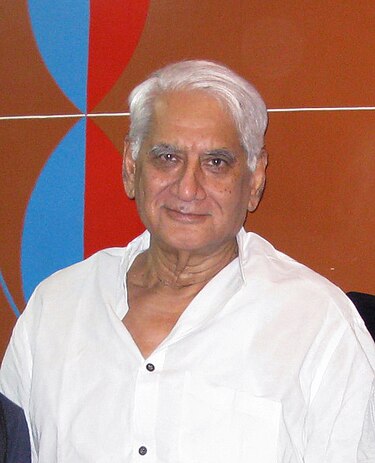
Charles Mark Correa passed away on 16 June, 2015 after a short illness, leaving behind the heritage of his countless buildings and revolutionary thoughts and ideas. He was a visionary and an activist in the true sense. Our generation of architects idolized Correa as a teacher, as a torch bearer; and the future generations will adore him, too.
Sources:
https://en.wikipedia.org/wiki/Charles_Correa
www.dailyo.in/arts/charles-correa-ismaili-centre-portuguese…/4384.html
thewire.in/4106/the-difficulties-and-pleasures-of-being-charles-correa-in-india/
https://th-i.thgim.com/public/business/Industry/article23760256.ece/alternates/LANDSCAPE_1200/MRFBUILDING
https://www.archdaily.com/151844/ad-classics-kanchanjunga-apartments-charles-correa
https://images.adsttc.com/media/images/5038/0f9e/28ba/0d59/9b00/0bfc/medium_jpg/stringio.jpg?1419175976
https://architectuul.com/architecture/tube-housing
https://media.gettyimages.com/id/90562342/photo/view-of-the-british-council-in-new-delhi-india.jpg?s=2048×2048&w=gi&k=20&c=6NlC5F1z7LTrq56xQ72RwrJ1UXcHwK1KOxYwAdDvFcw=
 About the author
Sandeep Singh is an architect from IIT Roorkee. He is a prolific writer and a sensitive poet. His professional posts mostly cover the future in
Architecture. His books are chiefly devoted to the inner and outer battles that a disabled person in India faces every day. His poems mostly reflect
his inner world. He also manages NGOs focussed on livelihood to remote areas, empowerment of women, inclusive tourism and support to small businesses.