

“Architecture is the thoughtful making of space.”
–Louis Kahn.
Nowhere is this more evident than in the evolution of breweries, from the timbered halls of medieval Europe to sleek steel and glass constructs of the modern cities. The architectural journey of breweries tells a fascinating story: a shift in construction styles, a transformation in function, technology, and cultural ethos.
Traditional brewery: Rooted in craft and community
 Traditional breweries were initially household affairs, mostly prepared by women. Gradually, during 18th and 19th centuries, got integrated into the heart of communities. These structures were built primarily with locally available materials: brick, timber, and stone. The architecture was defined by pitched roofs, arched windows, courtyards, and large wooden floors.
Form followed function in these breweries: gravity was used to move the brew from one level to another, so verticality became an essential design feature. One of the most famous examples is the Weihenstephan Brewery in Bavaria, Germany, considered the oldest existing brewery in the world. Nestled in a Benedictine monastery, it showcases Romanesque and Gothic architectural influences, a very different look and feel from steel-dominated architectural style today.
In England, Burton upon Trent’s 19th-century breweries have Victorian brickwork and ornamental detailing, a clear reflection of people’s fascination with craft and decoration during that era.
Social and cultural landmarks
These traditional breweries were more than production centers; they also served as social and cultural landmarks. With large courtyards for gatherings, tasting rooms, and proximity to taverns or inns, they encouraged community interactions besides emphasizing on craftsmanship.
Modern breweries: The fusion of function and aesthetic
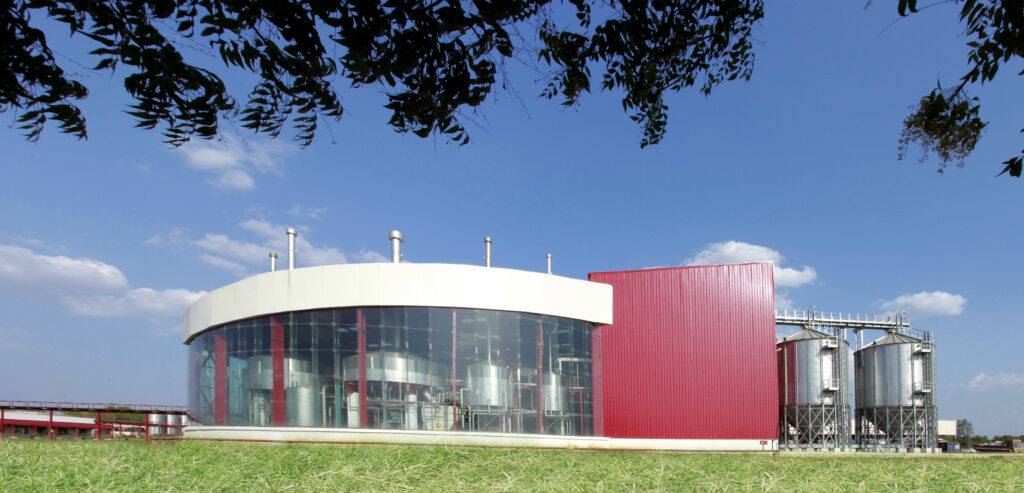
Contemporary brewery architecture shows a different set of priorities: efficiency, scalability, sustainability, and brand experience. Traditional breweries were usually hidden behind modest facades; however, modern breweries are designed to showcase the brewing process, not concealing it from the public eye. Transparency and openness are central themes today; large glass halls, open-plan layouts, and minimalist design principles are favored by architects and liquor professionals.
One standout example is Stone Brewing’s facility in Escondido, California. Designed with sustainability at its core, the brewery uses recycled materials, solar panels, and water reclamation systems, all integrated into a modern industrial aesthetic. High ceilings, exposed piping, polished concrete floors, and natural light play both functional and symbolic roles, reflecting the modern brewer’s commitment to quality and environmental consciousness.
Also retail and hospitality centers
 The Goose Island Brewhouse in Chicago is a very good example of how breweries today are also popular retail and hospitality venues. Designed to accommodate visitors, with bars, lounges, and event spaces, these breweries are part entertainment centers, part factories, merging utility with customer experience.
Architecture supports this shift with open fermentation rooms, interactive tours, and brewery-themed art installations.
Contrasts in spatial use and design philosophy
The evolution of traditional breweries was gradual, with add-ons and renovations done to respond to growing demand or changing processes. Their layouts often used to be sprawling and irregular. On the other hand, modern breweries are built with scalability and automation in mind, adopting modular layouts and state-of-the-art mechanical systems for efficiency and aesthetics.
Environmental integration, a primary design concern
Environmental integration has now become one of the primary design concerns. Traditional breweries were designed considering local climate and materials almost unconsciously; however, brewery architects consciously design for energy efficiency and eco-friendliness, incorporating green roofs, passive cooling, and LEED certification goals.
Aesthetics: Different approaches
Older breweries celebrated ornamentation to add aesthetical value. The towering chimney stacks, engraved stonework, and vaulted storage halls of the past showcase the revered craft of those times.
Modern breweries often embrace minimalism, but make an innovative use of lighting, signage, and multimedia to create visual impact. Form now follows not just function, but marketing strategy, too.
Architecture often tells a compelling story of the evolution of breweries: from the quiet, cloistered craft of monastic brew houses to the vibrant, visitor-friendly environments of today’s breweries. Modern brewery architecture continues to adapt to consumer demands and environmental concerns; bridging the gap between heritage and innovation, function and experience.
We’ll keep taking you on more fascinating journeys in our future posts, don’t miss the fun!
Sources
https://www.carllibri.com › 1524_Leseprobe
https://www.micetgroup.com › the-evolution-of-brewing…
https://uni.xyz › journal › the-vibrancy-of-modern-brew…
https://www.craftbeer.com › news › brewery-news › for…
https://www.dezeen.com › tag › breweries

About the author
Sandeep Singh is an architect from IIT Roorkee. He is a prolific writer and a sensitive poet. His professional posts mostly cover the future in
Architecture. His books are chiefly devoted to the inner and outer battles that a disabled person in India faces every day. His poems mostly reflect
his inner world. He also manages NGOs focussed on livelihood to remote areas, empowerment of women, inclusive tourism and support to small businesses.